

Happy Play or Trouble Brewing? How to Read Dog Body Language in Group Settings
At The Wagging Club in Tampa, we see every day how dogs communicate through posture, tail movement, and expression. Some signals mean “let’s keep playing,” while others say “I need a break.” Learning these cues helps you understand your dog’s emotions, promote safe socialization, and ensure every play session stays happy and harmonious.
Dogs talk to each other constantly, even when they never make a sound. Their language is subtle, beautiful, and- when you know how to read it- one of the best ways to deepen your connection with your pup.
Why Understanding Dog Body Language Matters
Reading your dog’s body language during group play keeps everyone safe and comfortable. Dogs use small changes in movement and posture to show how they feel. If those signals are missed, friendly play can quickly turn into tension.
The benefits go beyond preventing fights. When your dog knows you can “read the room” and step in when needed, they feel more secure and relaxed. That confidence leads to better social experiences overall. Safe group play depends on humans who actively observe and respond to shifts in energy.
Understanding canine communication also helps you decide which kind of social setting suits your dog best. Some thrive in big groups, others in smaller play circles, and some prefer human companionship over canine company. Recognizing what your dog needs helps them feel seen, supported, and stress-free.
Key Body Language Cues in Dogs
Tail Position and Movement
A wagging tail is not always a happy tail. A high, stiff tail that moves quickly can indicate arousal or stress. A low, relaxed wag that moves the hips and shoulders usually signals joy and friendliness.
A tucked tail between the legs means fear or submission. These dogs need reassurance and distance, not encouragement to keep playing. A still, upright tail shows alertness or possible tension and should be watched closely.
Even the speed and rhythm of a wag tell a story. Slow or hesitant wags suggest uncertainty, while fast, choppy wags may mean a dog is overstimulated and needs a pause.
Facial Expressions and Eye Contact
Relaxed eyes, a soft mouth, and gentle panting show comfort. Warning signs include stiff lips, wrinkled brows, a fixed stare, or teeth showing in a tight grin.
“Whale eye,” when the whites of the eyes are visible as a dog looks sideways, is a common stress signal. Lip licking, yawning, or turning the head away are ways dogs say, “I’m not comfortable right now.” Even drooling or heavy panting when it is not hot can indicate anxiety.
Posture and Movement
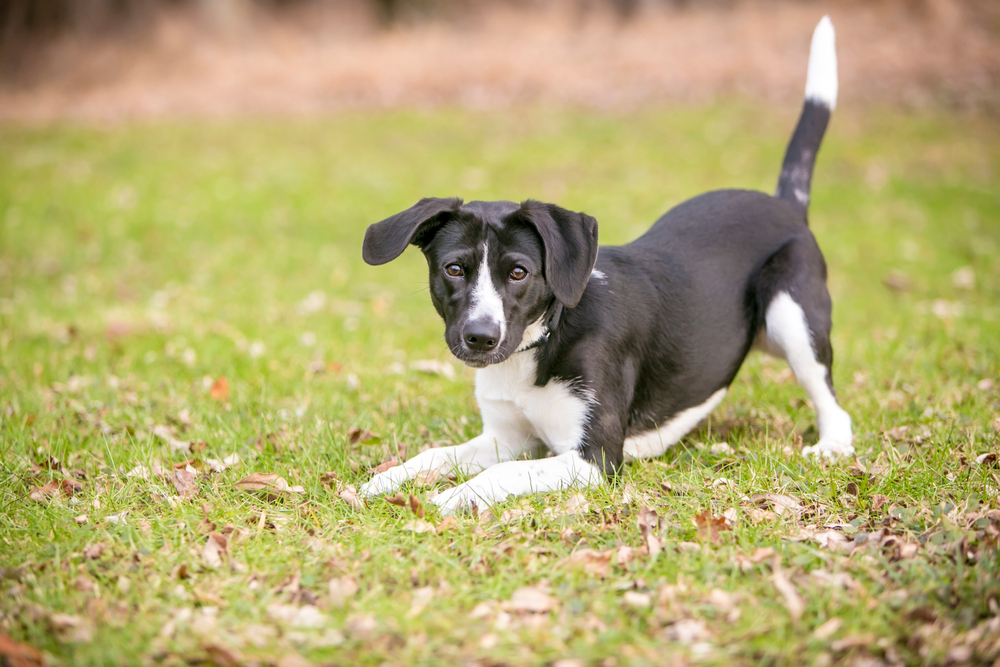
Loose, wiggly movements mean playfulness and ease. The familiar play bow- front legs down, rear up- is the canine equivalent of saying, “Just kidding!”
A stiff or frozen posture, slow movements, or deliberate circling suggest unease. Constant pacing or frantic sniffing often means a dog is overstimulated and needs a rest break.
Communication through canine body language works best when you look at the whole body, not just one part.
Common Scenarios in Group Play
Playful Interactions vs. Aggression
Roughhousing can look chaotic, but healthy play includes balance and choice. Dogs take turns chasing, use short pauses, and moderate their strength for smaller partners. If both dogs can stop, shake off, and re-engage, the play is mutual and safe.
Aggression is different. One dog consistently pinning another, growling without breaks, or refusing to stop after the other dog signals discomfort are red flags. Recognizing aggression in dogs relies on observing patterns rather than isolated moments.
Overexcited or Anxious Dogs
Overexcited dogs may bark excessively, jump on others, or play too roughly. These dogs benefit from short breaks, structured play sessions, and calming exercises before rejoining the group.
Anxious dogs, on the other hand, might avoid interaction, pace, or freeze. They may lick their lips, yawn, or seek corners for safety. For these dogs, gentle introductions and calm playmates build confidence far better than crowded groups.
Integrating New Dogs into a Group
New introductions should always be slow and neutral. Let dogs sniff from a distance before full contact. A young, high-energy dog may overwhelm a shy senior, while quieter dogs do better meeting one friend at a time.
Understanding dog tolerance helps identify whether your dog enjoys large playgroups, prefers a few select friends, or thrives on one-on-one enrichment.
Practical Tips for Pet Parents
Monitoring Your Dog During Play
Supervision means being present and engaged. Put distractions away and observe your dog’s interactions closely. Know what normal play looks like for your pet so you can spot early signs of discomfort. Step in before things escalate- redirect attention, take a short walk, or call for a rest when needed.
Preparing for Group Play
A little preparation makes group play smoother. Dogs who are rested, fed, and exercised tend to handle stimulation better. Avoid bringing a hungry or overtired dog, since that can create frustration.
Before introducing your dog to new friends, brush up on recall and response skills. Introducing dogs properly starts with calm, controlled greetings and good communication from both ends of the leash.
Choosing the Right Environment
Play spaces should have enough room for dogs to move freely, secure fencing, shaded areas, and safe footing. Overcrowded or confined areas can heighten stress.
The Wagging Club’s daycare options are designed with comfort and safety in mind. We group dogs by size, energy, and play style, ensuring that every pup enjoys the right balance of activity and rest under professional supervision.
Addressing Common Myths and Concerns
Myth: All Dogs Love Group Play
Just like people, dogs have individual preferences. Some love bustling playgroups, while others prefer quiet walks or enrichment activities with humans. Senior dogs may tire easily, and certain breeds lean toward independence.
If your dog consistently avoids others or shows stress signals, listen to them. Respecting their boundaries leads to greater happiness and confidence. That’s why The Wagging Club offers private daycare and boarding options designed for dogs who prefer a more personal touch. These pups spend quality, engaging time with our team through enrichment games, calm walks, and one-on-one attention—so they enjoy all the benefits of play and connection in a way that suits their comfort level.
Every dog is unique, and we take the time to get to know their individual personalities and social preferences. Our staff is trained through The Dog Gurus program to recognize canine body language and ensure every guest receives safe, tailored care that supports both confidence and well-being.
Myth: Dog Parks are Great for Socialization
Dog parks can be fun, but they are not ideal for every dog. Mismatched play styles, unknown vaccination status, and inattentive owners can create unsafe conditions. Before visiting a dog park, assess your dog’s temperament and choose parks with safe design and good visibility. Visit during off-peak hours and leave if the energy shifts or tension builds. Be aware that not every dog owner understands body language, and they may or may not step in if a problem arises- meaning body language cues can be missed and can escalate into fights.
The Role of Professional Daycare and Boarding
Why Professional Supervision Matters
Trained staff can recognize subtle stress signals and step in early. Facilities like The Wagging Club’s daycare and boarding services maintain safe staff-to-dog ratios and match dogs based on size, temperament, and activity level to ensure comfort and compatibility.
Structured Enrichment and Socialization
Professional care provides more than playtime. Dogs enjoy enrichment like training games, puzzles, and rest periods between sessions. Socializing your dog in a guided environment helps them gain confidence that carries into everyday life.
Building Positive Experiences That Last
Learning to read your dog’s body language makes you their best advocate. You can recognize when they are happy, when they need space, and when it is time to rest. These small insights prevent problems and create deeper trust between you and your dog.
If your dog struggles in group settings or shows ongoing signs of stress, our team can help. At The Wagging Club, we specialize in safe socialization and individualized care for every personality.
Contact us to learn more or schedule an evaluation. After a day of play, let your pup unwind with our spa services or request a service.
When dogs are understood, supported, and celebrated for who they are, every tail wags a little brighter.


Leave A Comment