

Anxiety Prevention Starts Early: Socialization, Training, and New Classes at The Wagging Club
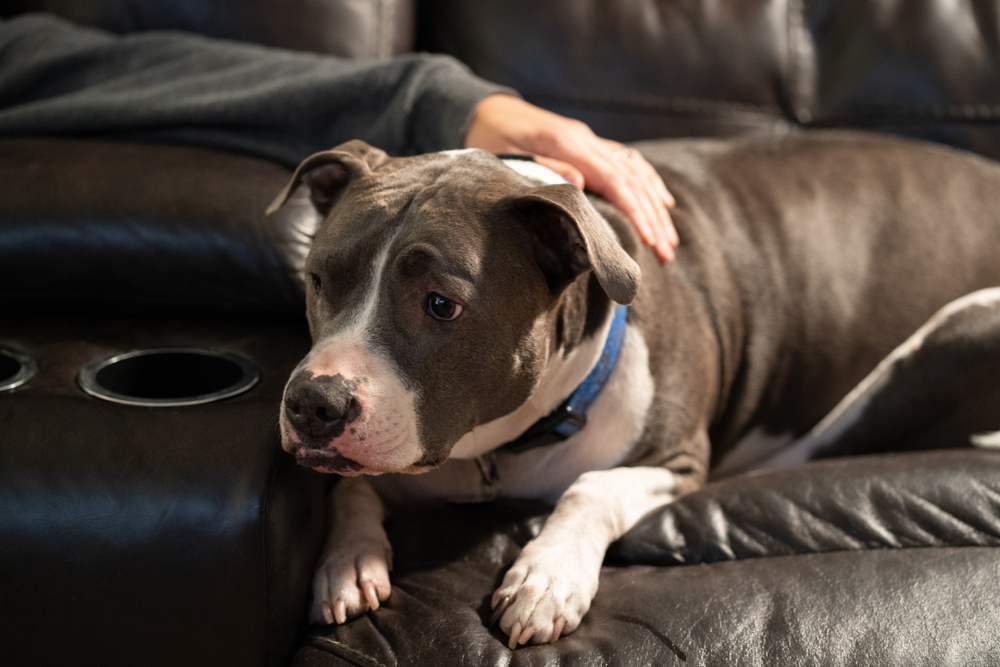
It’s tough when your sweet new puppy seems nervous about the world, hiding under furniture during thunderstorms or trembling when meeting new people. We all dream of having that easygoing dog who can handle a trip to the beach in Tampa or chill at a dog-friendly brewery, but sometimes the reality of early training and socialization can feel overwhelming. Figuring out how to introduce your young dog to new experiences without creating more fear takes patience and consistency, and it can feel like you’re constantly guessing about the right approach. Knowing how important those early months are for a dog’s development can add pressure, but here’s the good news: giving your pet a solid foundation for a calm, confident life is entirely possible, and you don’t have to figure it out alone.
That’s why addressing your pup’s social needs early is so important, and it all starts with finding trustworthy guidance. As a family-run pet resort, The Wagging Club is all about creating a safe, loving, and active environment that supports your pet’s happiness and confidence. We believe in personalized attention and treating every dog like a member of our own family, whether they’re splashing around in our indoor pool or learning good manners during daycare. If you’re ready to take the next step in helping your pet become their most confident self, we’d love to be your partner. Feel free to contact us today to learn more about our philosophy and services, including our new training classes designed to set your dog up for success.
Why Early Socialization Builds Confident, Adaptable Pets
Good behavior begins with safe experiences and simple skills practiced early. A shy puppy who ducks behind your legs or barks when the new roommate walks in is telling you something: behavior is communication, and your response can either build trust or chip away at it.
Here’s the short version: early, positive exposure prevents many fear-based behaviors later on. The socialization window is typically around 3 to 14 weeks, when young pets are like little sponges soaking up information about people, sounds, textures, and places. Thoughtful exposure during this time pays off for years to come.
- Well-timed, positive experiences during the window of socialization teach puppies that new things are manageable, not scary.
- Dogs without early practice may struggle with common dog behavior issues like leash reactivity, jumping, or fear of strangers.
The good news? Adult pets can still learn through patient, reward-based introductions. It just takes a bit more time and consistency. In Tampa, that might mean practicing calm greetings at outdoor cafes, hanging out near the pool without being pushed to swim, or learning to relax during our afternoon rainstorms that bring all that thunder. Our structured daycare experiences are designed to meet dogs exactly where they are, with enrichment-style groups and private options when needed.
Social Skills to Start Practicing Now
Socialization doesn’t require a complicated plan. Everyday outings and small, intentional exposures add up quickly, and the goal is simply to create positive associations with the kinds of things your dog will encounter throughout their life.
- Seek out gentle introductions to people who look different from your household members: people wearing hats, sunglasses, or uniforms, as well as children, elderly folks, and people using wheelchairs, walkers, or crutches. Pet-friendly stores, outdoor cafes, and home improvement shops offer great practice with shopping carts, automatic doors, crowds, and unfamiliar sounds.
- Parks work best when you stay on the edges at first, practicing calm focus while other dogs and people pass at a comfortable distance. When introducing new dogs, make sure you’re choosing the right dogs- pets you know are healthy and vaccinated, and are open to new friends. These first introductions can set the stage for the rest of your dog’s life.
- Don’t forget about things that move: skateboards, bikes, strollers, and rolling suitcases can be scary without early exposure, so find a spot to watch from afar and reward your pup for noticing without reacting. For all these outings, keep sessions short, bring plenty of treats, and always let your dog set the pace.
Training Is Protection: Skills That Lower Anxiety Over a Lifetime
Training is a conversation, not a contest. When pets learn that their choices earn good things, they relax and engage. Your guidance teaches them to trust you and look to you for direction in stressful situations. That emotional safety becomes a shield against long-term anxiety.
Positive, Relationship-Centered Training Makes Bravery a Habit
The key to a successful relationship with your pet is trust. Using punishment doesn’t teach your dog what to do; it only teaches them that you introduce negativity when they’re confused about what you want. Focus on teaching good behavior rather than punishing “bad” behavior.
- Reward-based methods, like positive training, show your pet exactly what behavior works, whether that’s a sit for greetings or a quiet check-in during a distraction.
- Teaching cooperative care skills helps pets participate in nail trims, brushing, and baths, which makes grooming days calmer and safer for everyone.
Here are some everyday skills worth practicing:
- Calm greetings at doorways
- Loose-leash walking around mild distractions
- A relaxed “settle” on a mat while you cook, work, or watch TV
- Handling body parts like feet, tails, lifting lips, and touching toenails
At The Wagging Club, training is woven into every day: group play with breaks to practice manners, one-on-one attention for shy pets, and plenty of praise. We monitor play groups closely to make sure dogs are developing the right social skills. If you’d like a plan that blends home routines with our structured environment, just let us know. We love helping create personalized plans that work for your pet and your life.
Learning to “Listen” to Your Pet: Body Language Matters
Here’s a quick tip: early signs of stress are small. Soften your approach at the first whisper of discomfort rather than waiting for a shout.
- Watch dog communication cues: lip licking, tucked tail, lifted paw, turning the head, whale eye, or yawning when they’re not actually sleepy.
- Get familiar with the “stress ladder” so you can recognize when it’s time to step in and de-escalate.
Here’s something important to remember: growling is a signal that your dog is uncomfortable, not misbehavior. Punishing those signals can suppress communication and increase fear. It also teaches your dog that you won’t listen to them, which can force them to “speak louder” next time. This can lead to increased fear-reactive behaviors or even snaps and bites. Instead, give space, lower the intensity of the situation, and offer a path back to comfort. Our handlers are trained to pause, read each pet’s cues, and adjust the environment so learning stays safe and positive.
Behavior Challenges That Early Socialization and Training Can Prevent
Most behavior concerns are manageable with planning, patience, and practice. The goal isn’t perfection; it’s predictability and progress. Here are several common issues that early desensitization and training can help prevent:
- Reactivity on walks: Leash reactivity is super common. Pattern games like engage-disengage training build calm check-ins around triggers and teach your dog to look to you when they’re feeling uncertain.
- Guarding toys or food: The trade game teaches dogs to happily swap items on cue, which prevents resource guarding from becoming a bigger issue.
- Alone-time distress: Early routine-building and gradual departures reduce the risk of separation anxiety. Time away from you while having fun, like at our daycare and luxury boarding facility, teaches them that being apart from you is no big deal.
- Thunder and fireworks: Tampa’s stormy season makes practice essential. Working on sound sensitivity early can really help lower noise aversion.
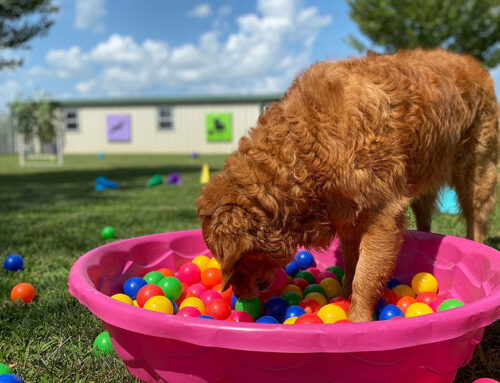
Our environment balances excitement and calm. Dogs enjoy outdoor turf play, splash pad time, and optional one-on-one or group pool sessions, followed by cozy naps to reset. That rhythm keeps arousal levels manageable and makes learning stick.
Enrichment: The Daily Habit That Builds Emotional Resilience
Enrichment gives your pet healthy jobs to do, which lowers frustration and anxiety. Think of it as brain food and confidence training rolled into one. Boredom leads to destroyed couch cushions, and in more serious cases, OCD-like behaviors. It’s especially problematic in very intelligent or working breeds like Australian Shepherds, Belgian Malinois, Border Collies, and other herding dogs.
- Rotate food puzzles, scent games, and obstacle courses to keep things interesting.
- Try curiosity-driven outings like sniffari walks that allow natural scenting and calm exploration.
- Social time with other dogs and burning off physical energy helps them stay calm at home. Just be cautious about dog parks. Without professional supervision, you may be exposing your dog to unpredictable situations and pet owners who don’t know (or don’t care) enough to step in when things get out of hand.
At The Wagging Club, enrichment plays a starring role. Dogs rotate through indoor and outdoor play zones, splash pad time, and rest to keep stress low. If you’d like a personalized plan with ideas tailored to your home setup, start a request for service and our team will help you design daily activities that fit your lifestyle.
When to Get Professional Help for Behavior Concerns
The short answer? Sooner is better. Sudden fear, growling, snapping, or sleep disruptions can point to pain, anxiety, or an unmet need. Getting support early prevents patterns from settling in and becoming harder to change.
- Start with a calm, consistent routine, add enrichment, and track what improves.
- If concerns continue, contact your veterinary provider to rule out potential medical conditions that could be contributing to anxiety. Anti-anxiety medications may be needed to help your dog stay calm enough to learn new behaviors.
- Many issues improve quickly once fear is reduced and communication becomes clear.
We collaborate with families to create predictable days, safe social time, and gentle exposure in our controlled setting. If your pet needs extra space or individual attention, our private care options and enrichment-style schedules ensure they can learn at their own pace. Reach out to us anytime to talk through your pet’s needs and options.
New at The Wagging Club: Training Classes Built for Real Life
You asked for more guided help with manners and confidence, and we listened! New training classes are coming to The Wagging Club. These small-group sessions focus on practical skills that reduce anxiety and make everyday life smoother. We’re so excited to be working with Amy Weeks. She’s Fear-Free Certified, Positive-Reinforcement Certified, a Certified Canine Behavior Consultant, and a Certified Dog Trainer. Basically, all the best possible certifications you can find in a dog trainer, right here at The Wagging Club!
Here’s what you can expect:
- Confidence starters for puppies and newly adopted dogs
- Manners for busy families: polite greetings, loose-leash skills, and settle on a mat
- Cooperative care for grooming days and vet visits
- Poolside confidence sessions for water-curious dogs in our indoor pool
Classes are designed around positive reinforcement and thoughtful exposure, using our indoor and outdoor spaces to practice real-life skills in a controlled, supportive setting. If you’d like to reserve a spot or ask about which class fits your pet best, reach out. We’d love to hear from you!

Your Pet’s Calm Starts With Us: A Tampa-Friendly Routine That Works
Tampa life brings sunshine, sudden showers, and a lot of activity. Our facility blends comfort and adventure with luxury suites, climate-controlled playrooms, an indoor pool, and splash-friendly days that beat the heat while keeping stress low. Dogs enjoy playgroups matched by size and play style, and we offer a free test day to get to know your pet and understand their needs.
- Daycare choices include classic, enrichment-focused, and private care for dogs that prefer one-on-one time. We offer toys for problem-solving, structured athletics, sensory work, and group play. Private daycare includes walks, toys, and playtime for dogs that can’t participate in group settings, so they still have a fun-filled day.
- Boarding includes structured play, rest, and updates, with add-ons like cuddle time, frozen food toys, and pool sessions for an extra dash of joy.
- Our bathing salon and grooming services support healthy skin, nails, and coats, making home care easier and less stressful.
If you’re dreaming of a pet who can handle guests, navigate busy sidewalks, or snooze peacefully during a storm, we’re here to help make that happen.
We’re Here to Create Calm, Confident Dogs
Early socialization and kind training give pets the courage to try, the skills to cope, and the trust to relax. With consistent routines, daily enrichment, and respectful communication, most behavior worries become manageable steps on a shared journey.
The Wagging Club is here to partner with you, from training classes and structured daycare to confident grooming and calm, cozy boarding. If you have questions or want a plan that fits your family, please contact us. Ready to reserve a spot or learn about our newest classes at the resort? Send a request for service and let’s build your pet’s calm, happy routine together. We can’t wait to meet you and your pup!



Leave A Comment